
Increasing Airflow and Light at Bask
Why Airflow Matters at Bask
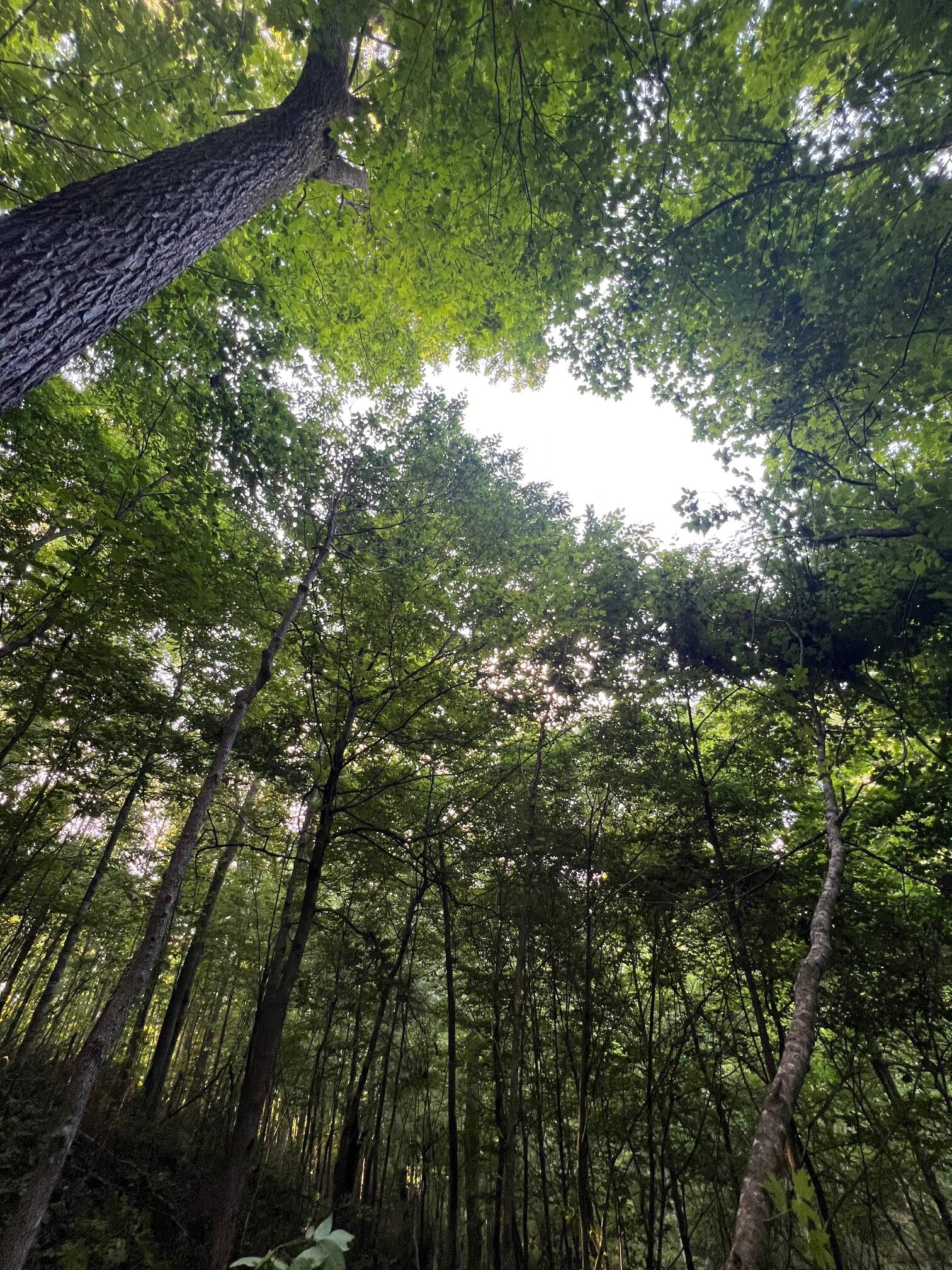
One of the many projects underway at Bask is increasing airflow throughout the land. Addressing airflow issues offers the greatest return for effort while creating the least harmful disturbance to existing food webs.
Before we began revitalizing the space, thousands of tree seedlings had established themselves throughout the forest and bog following clear-cutting roughly 40 years ago. This human-generated disturbance is incredibly disruptive, and many plants and animals essentially rain-check inhabiting these imbalanced spaces.
What does a lack of airflow perpetuate? Birds stop nesting and foraging, mushrooms cannot spread their spores as far, and the community of trees grows weaker overall due to over-competition. This imbalance is reparable with patience and a solid plan of action. Our goal is to allow air to move freely in any direction onsite, giving the land room to breathe both above and below ground.
Working With Ecoregions and Forest Structure
There are a number of eco regions at Bask, and the approaches used in the Copper Bog are not the same as those used in the Highland Forest. In areas where the forest canopy is already closed due to old-growth white oak, sometimes the only improvement possible is increasing airflow through the understory. It is remarkable how much airflow can be restricted by invasive plants such as privet, which form tree-like walls, as well as by thick colonies of Japanese stilt grass. Simply cleaning up the lowest two feet above ground can allow more wildlife to enter an area. This alone may be the deciding factor in whether a species, such as wild turkeys, chooses to populate a space.
Working with the prevailing winds and clearing channels through the forest proved effective in a number of areas. Linking these channels allows wind-dispersed seeds, along with those we manually reintroduce, to form larger plant communities, and given the chance, suppress the growth of remaining invasive seeds waiting to resurge. The prevailing winds at Bask are complex. Some areas experience vortex-like movement, while others are strongly directional.
Studying Wind, Topography, and Movement Across the Land
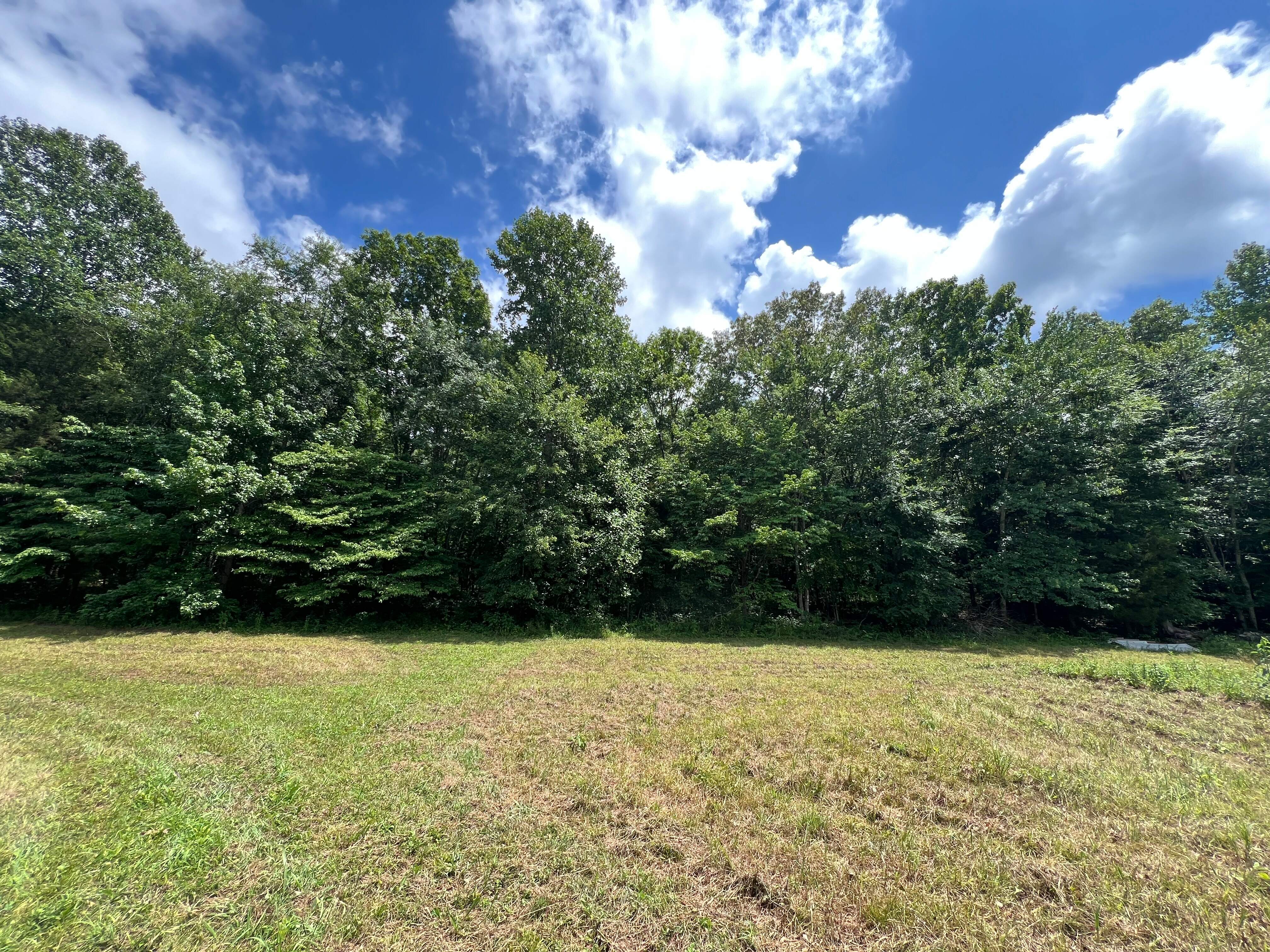
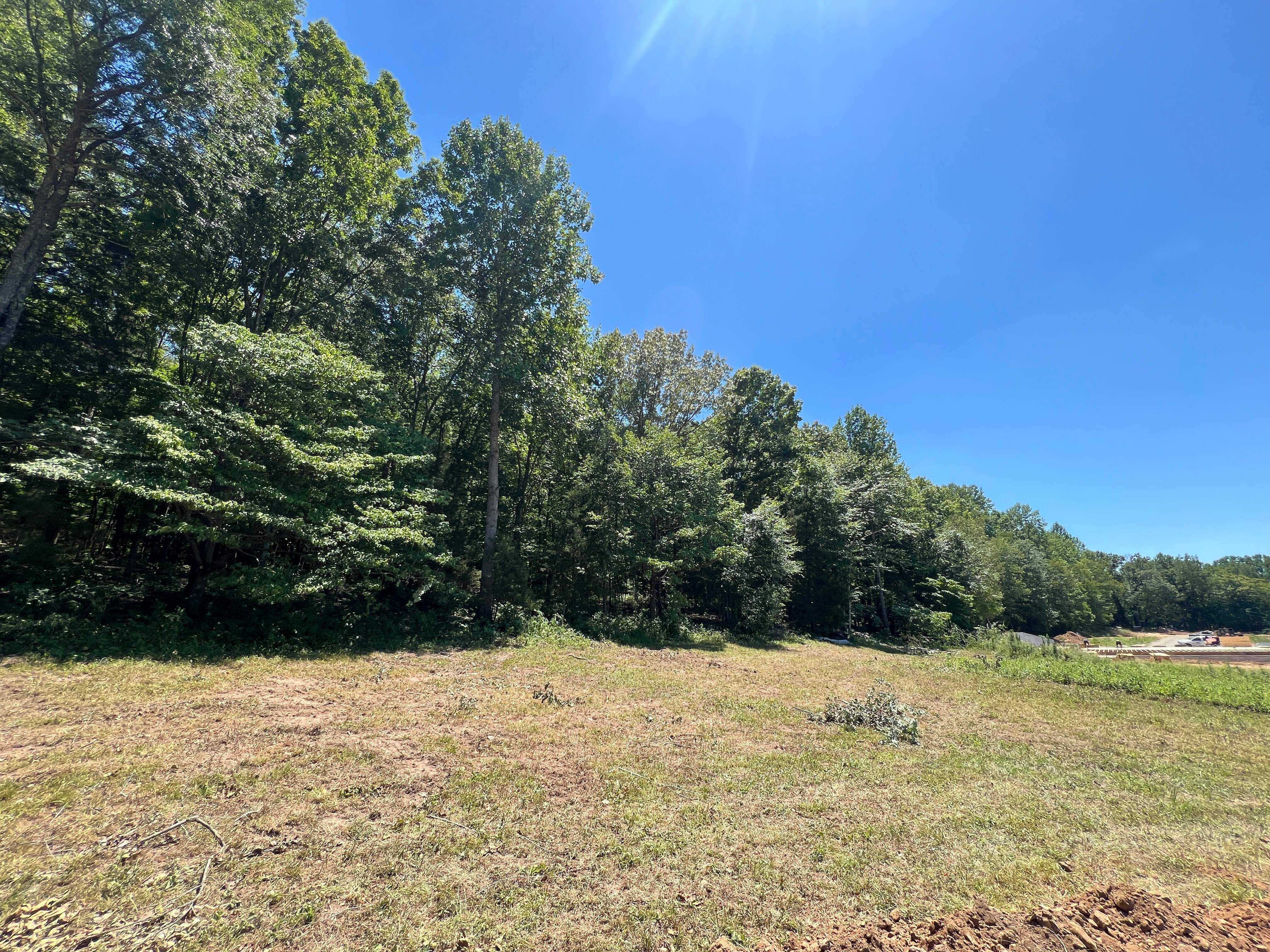
To achieve low-to-the-ground airflow, prevailing winds were observed over the course of about a year, and topography was also carefully considered, as Bask is part of a larger network of biodiverse valley systems. To better connect with neighboring sites, the first areas thinned were the east and west fence lines. Limbing up old cedars and removing tree seedlings along the eastern fence created a small but noticeable change. This work, along with selective tree felling along the western side of the site, opened an easier route for air to travel.
Existing fence lines with heavy tree canopy have been thinned in sections based on the plant life we aim to preserve. Often this involves removing seedling trees such as ash, hophornbeam, swamp red maple, and invasive species like privet and multiflora rose. In some cases, the structure and age of an existing tree warrant what is called limbing up, removing lower branches to a height of roughly eight to ten feet while preserving the upper canopy. This approach slows the wind higher up and speeds it up beneath the trees, allowing airflow and privacy to coexist while beneficial perennials, grasses, sedges, and shrubs return. At Bask, hearts-a-bustin and spicebush have weathered overpopulation better than most, and many received restorative pruning after years of climbing through other plants.
Opening the Interior Forest
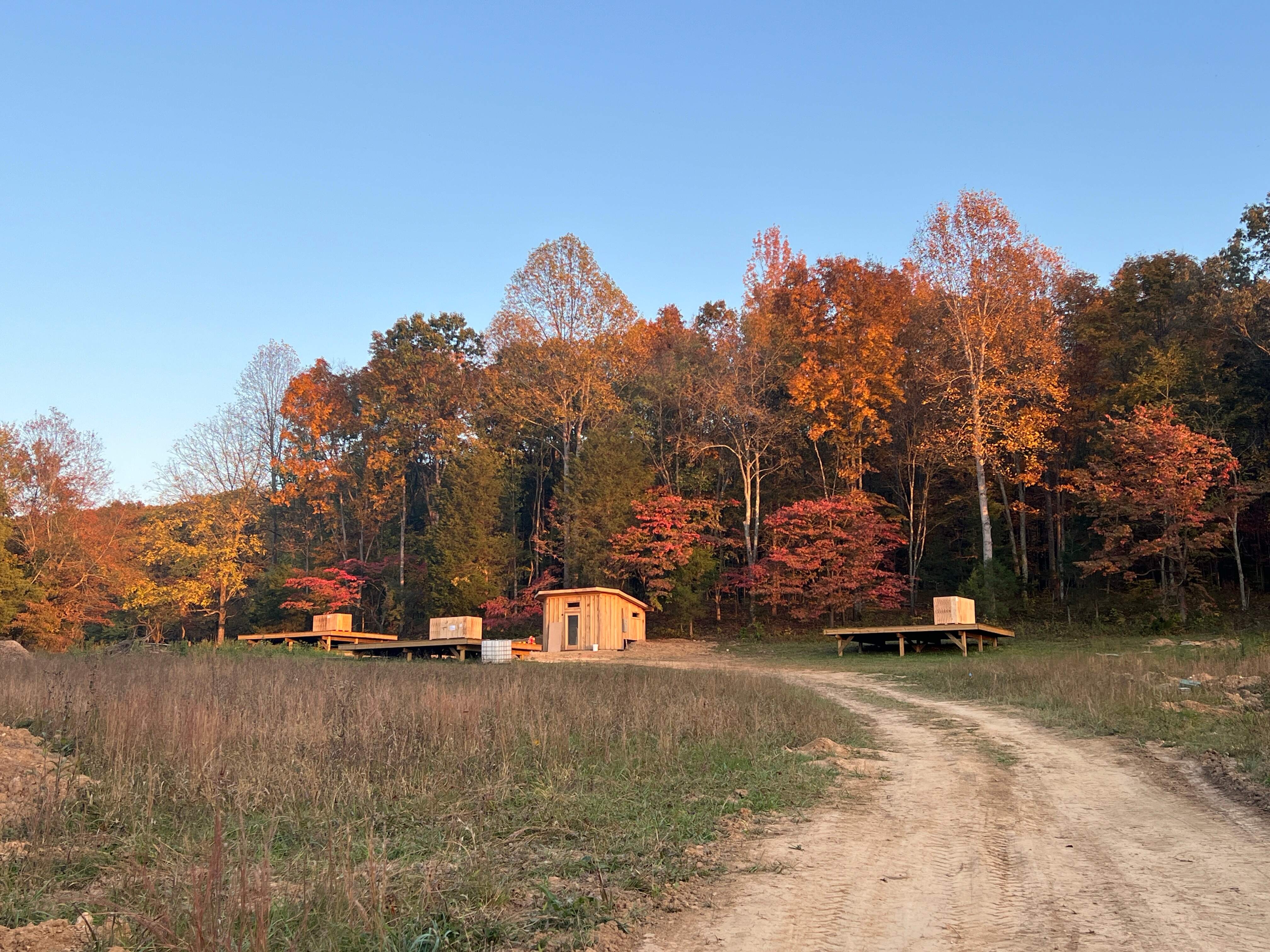
Once both major fence lines were cleared of excessive tree seedlings, the middle of the property could be opened as well. This phase involved felling pioneer species that surged after a major logging event roughly 30 to 40 years ago. These fast-growing species dominate space, blocking sunlight from reaching the ground and dramatically reducing the number of species an ecoregion can support. Combined with limited airflow, this discourages birds and other arboreal species. Rejuvenating the forest interior allows improved airflows from the east and west to link. The new Chrysalis space, for example, is located at the convergence of airflow from three directions. At the time of writing, the lower four acres of the Highland Forest understory, along with significant portions of the overstory canopy, have been cleared, with noticeable increases in wildlife activity and changes in the invasive seed bank.
Sections of the property were cleared methodically, with airflow changes noted between phases. When wind movement remained limited after an area was cleared, adjacent sections were opened in the direction needed to encourage airflow. In many cases, a single day’s work clearing 20- to 30-foot-tall seedlings created both improved airflow and new gathering spaces, all while preserving medium-sized trees.
Preserving the Existing Understory
Special care was taken to preserve 75-plus-year-old dogwoods, sourwoods (Oxydendron arboreum), and snowbell (Styrax grandifolius). These species form one of the most beautiful understories on the property and survived despite decades of overpopulation by pioneer species such as red maple and tulip poplar. These fast reproducers flood the forest with thousands of seedlings, eventually closing the canopy, as seen in parts of the Highland Forest. After a major ecological disturbance, restoration requires thoughtful, ongoing curation. Over the next four years, we are working with the Southeastern Grassland Institute to restore every acre of Bask to a more historically accurate ecosystem while remaining attentive to guest experience throughout the process.
Airflow and Guest Experience
Airflow is also essential for guest experience. It helps suppress mosquitoes, cools the land, and encourages biodiversity across the forest floor. Consider mushrooms, for example. Without sufficient airflow, they cannot effectively spread their spores. Last summer, chanterelles were present but scarce. By June 2025, chanterelles were appearing throughout the forest as a result of clearing efforts begun more than a year earlier. This is just one example of an entire kingdom of life responding positively to intentional tree removal. Every tree felled at Bask is chosen based on the maximum number of species its removal will support.
Storyteller Species and the Savannah Dream
With guidance from Southeastern Grassland Institute co-founder Dwayne Estes, we identified what he calls storyteller species, a concept rooted in forensic ecology. These often wimpy seedlings found at the bases of trees told a story of savanna remnant plants, signaling a preferred historic ecosystem. Over time, the term Savannah Dream emerged as the perfect name for the vision of Bask returning to savanna once again.
Every acre of savanna restored at Bask increases airflow into neighboring parts of the valley, indirectly supporting nearby forests and pasturelands. As areas of the Savannah Dream are restored, we will also be able to harvest seeds sustainably. Many of these air-dispersed seeds will spread throughout the site naturally, without direct human involvement.
Thoughtful Curation and Long-Term Vision
Yes, curating a landscape means choosing winners when a large number of trees are removed per acre. However, areas that were once savanna and later became forest can grow stagnant. Limited airflow and tight spacing discourage songbirds, which avoid what can feel like ambush corridors, especially at night when raptors are active. We weigh the species affected against the acreage currently supporting them, asking a larger question: how many birds, reptiles, mammals, amphibians, plants, insects, fungi, bacteria, and microfauna will gain the opportunity to thrive?
The savanna remnant species once struggling beneath the canopy have now received more air and sunlight, growing taller and flowering more heavily. This is a strong indicator that we are on the right path. Our intention is not to make Bask garden-like. Instead, we think in terms of nature curation. If we can save dogwoods, preserve older canopy trees, and revitalize the understory through the removal of 10- to 30-year-old seedlings, then this approach is both thoughtful and effective. More light, water, and airflow, combined with less competition, allows biodiversity to flourish.
If left entirely unmanaged, over-competition would continue, followed by pest and disease outbreaks and eventually an accumulation of dead trees, potentially catalyzed by lightning into uncontrolled fire. We are accelerating this natural process with intention and research. Curating landscapes shaped by more than 200 years of human intervention is complex, raising the question of which moment in ecological history the clock should be reset to.
The Bask team is committed to avoiding excessive disruption in any one area at a time. There is a long-term plan to revitalize every acre through prescribed fire and repopulation work, increasing the abundance of plant species already present. Airflow remains central to this vision, as seeds and spores cannot disperse naturally without it. Those doing the work also benefit, experiencing the land as it moves and breathes around them. We are excited for the next stages of restoration and deeply grateful for the growing community of volunteers helping to restore the land at Bask.
.jpg)