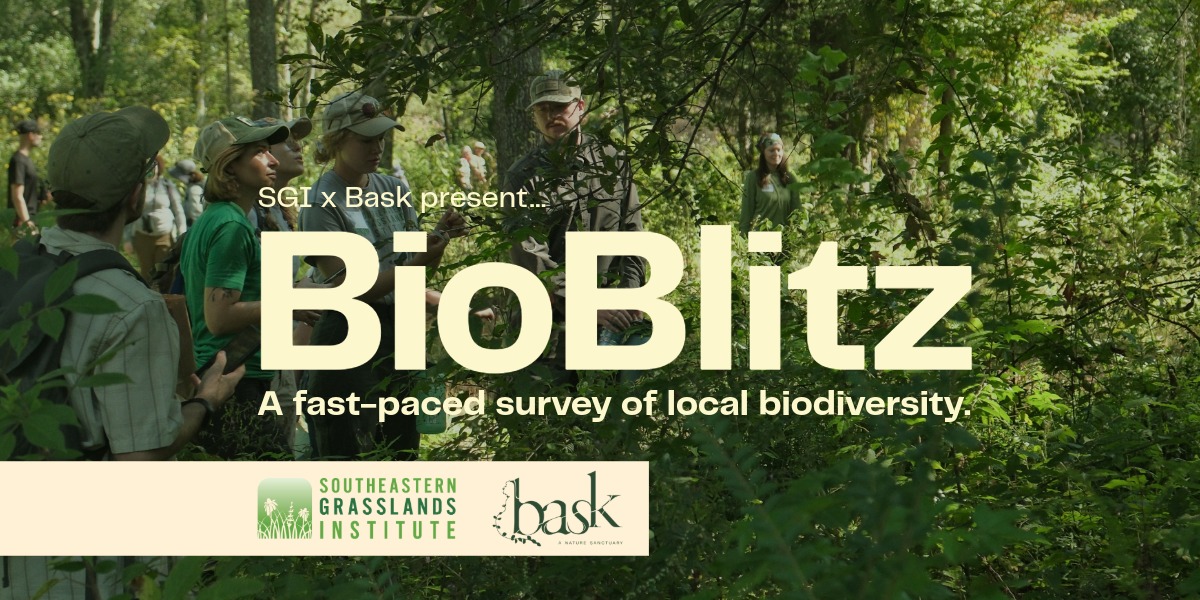

Join the Bask BioBlitz: Explore One of Tennessee's Most Unique Natural Landscapes
There are few places in Tennessee where you can walk through globally rare grasslands, spring-fed wetlands, mature ravine forests, and one of the most biodiverse freshwater watersheds in the United States—all within a single afternoon. Bask Retreat Center is one of them.
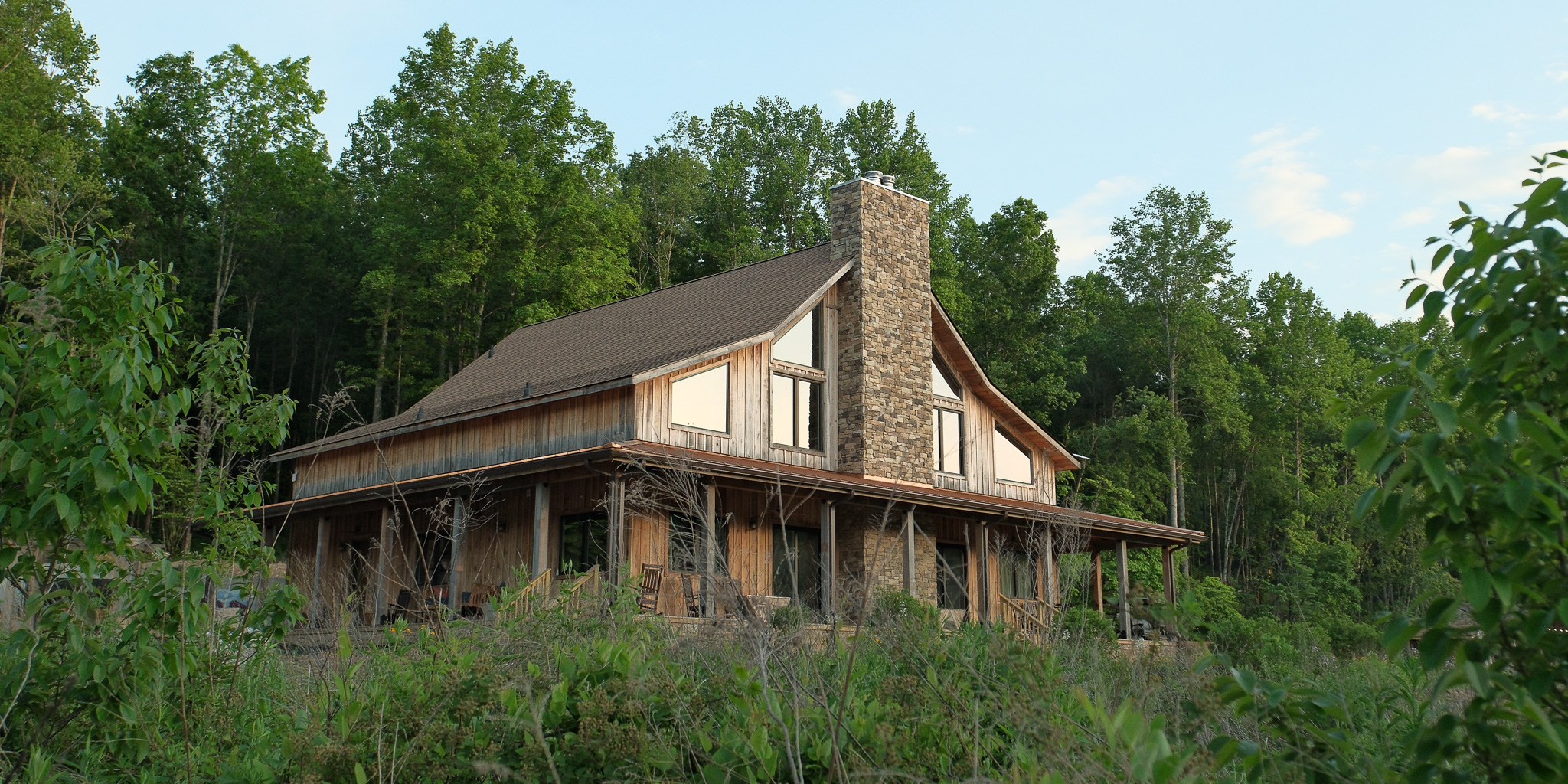
Nestled in the rolling hills of Middle Tennessee, Bask is more than a wellness retreat center. It is an ecological sanctuary where nature, restoration, education, and holistic wellbeing come together. While guests visit Bask to reconnect with themselves, they also become immersed in one of the state's most diverse natural landscapes.
Together with our conservation partners at the Southeastern Grasslands Institute (SGI), we are actively restoring and studying this extraordinary property. SGI is a nonprofit organization dedicated to conserving, restoring, and researching the grasslands and other imperiled ecosystems of the southeastern United States. Their work spans multiple states, protecting some of North America's most endangered habitats while educating future generations about the importance of biodiversity.
Following an extensive ecological assessment, SGI identified six distinct natural communities across Bask's property—including Highland Rim Savanna Woodlands, an Ancient Grazing Meadow, bog wetlands, groundwater-fed seeps, mesic cove forests, and the spring-fed Wades Branch stream corridor. Several of these ecosystems are exceptionally rare, with some considered globally imperiled.
Every flower, mushroom, butterfly, salamander, bird, and tree found here contributes to a much larger story about the health of this landscape.
On Saturday, July 11, we invite you to become part of that story.
Whether you're an experienced birder, an amateur photographer, a family looking for a meaningful outdoor adventure, or simply someone who loves spending time in nature, our annual BioBlitz offers a unique opportunity to explore Bask alongside scientists, ecologists, and fellow nature enthusiasts while contributing to real scientific research.
What is a BioBlitz?
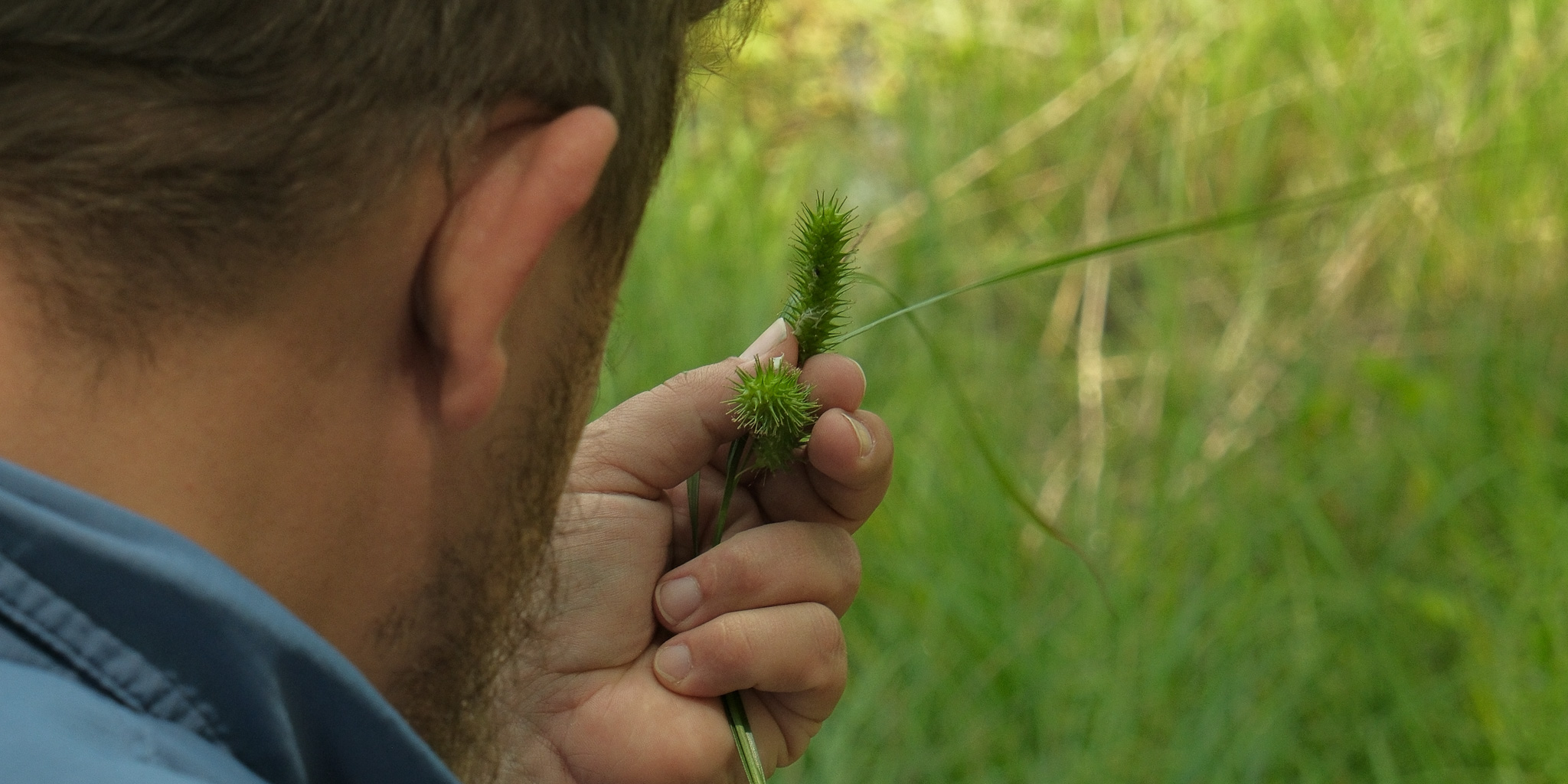
A BioBlitz is a community science event focused on documenting as many species as possible within a designated area over a short period of time.
The name combines two simple ideas:
Bio = Life
Blitz = A concentrated effort
Together, they create an exciting day dedicated to discovering and recording biodiversity.
Participants search for everything from native wildflowers and towering trees to insects, fungi, birds, amphibians, reptiles, mammals, and aquatic life. Every observation is photographed, identified, and uploaded into a global scientific database using the iNaturalist app.
No previous experience is necessary.
Whether you identify one butterfly or one hundred plants, every observation matters.
Why Bask is Such a Special Place
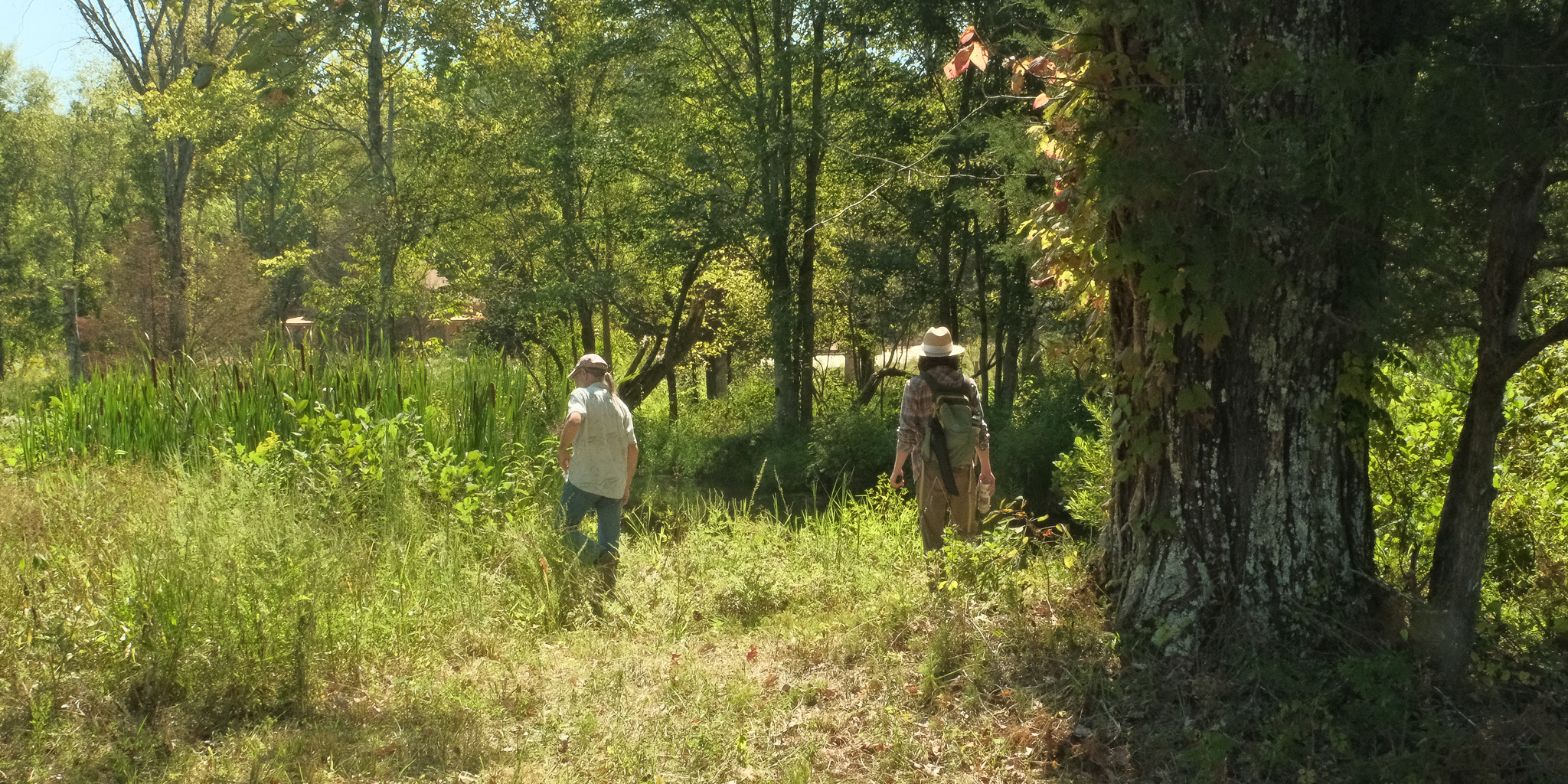
Unlike many parks that contain one dominant ecosystem, Bask protects an incredible diversity of habitats within a relatively small landscape.
Each ecological community supports its own unique collection of plants, wildlife, fungi, insects, and ecological processes.
Highland Rim Savanna Woodland
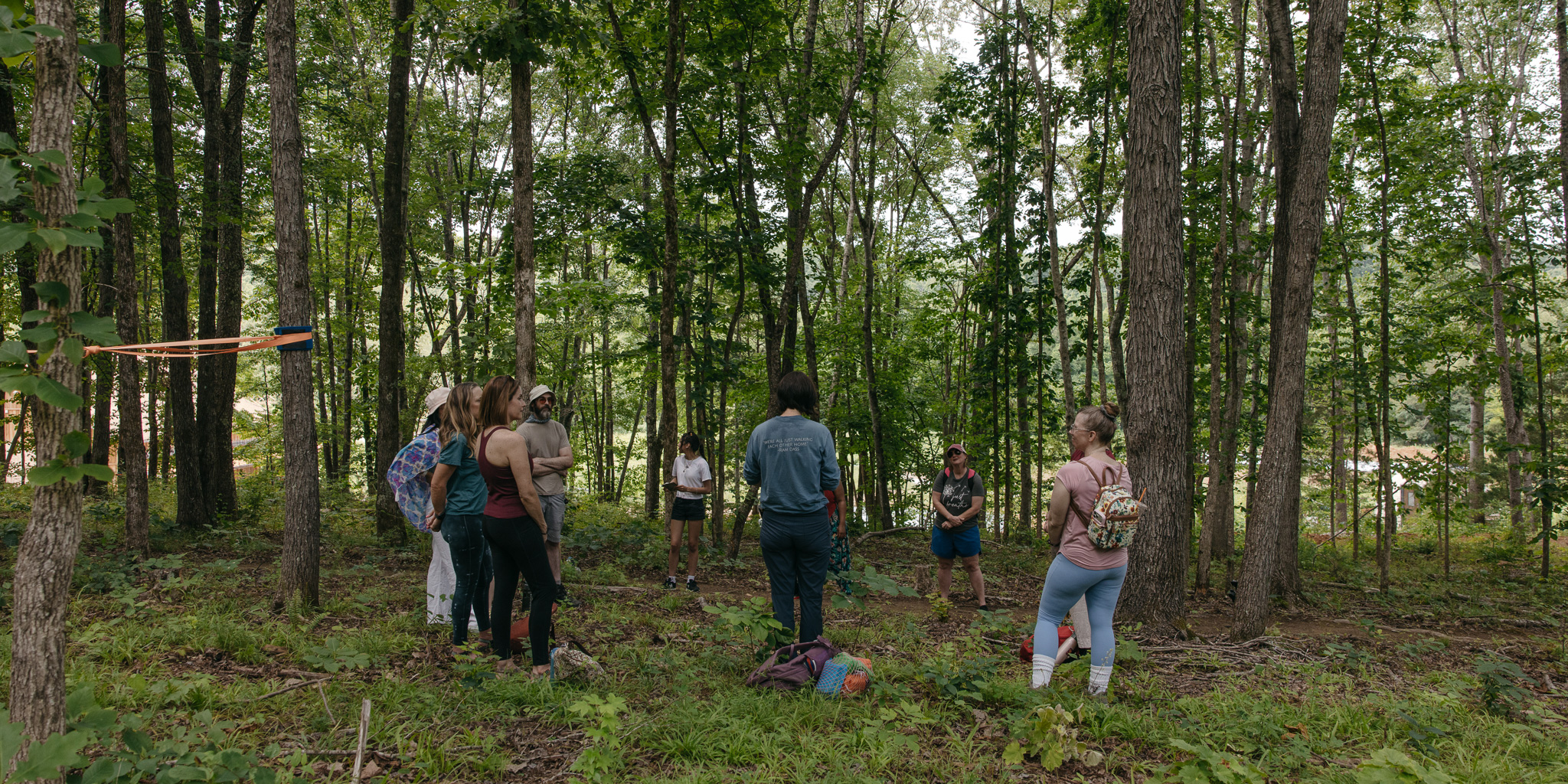
One of Bask's most remarkable habitats is its Highland Rim Savanna Woodland.
Historically, these open woodlands stretched across much of the Western Highland Rim. Today, less than five percent remain across the landscape, and savanna ecosystems throughout the Southeast have declined to less than one percent of their historic range.
These landscapes are characterized by scattered mature trees, native grasses, colorful wildflowers, and shrubs maintained historically through naturally occurring fire.
During the BioBlitz you may discover species like:
- Goat's Rue
- Sweet Goldenrod
- Summer Bluet
- Late Purple Aster
Ancient Grazing Meadow
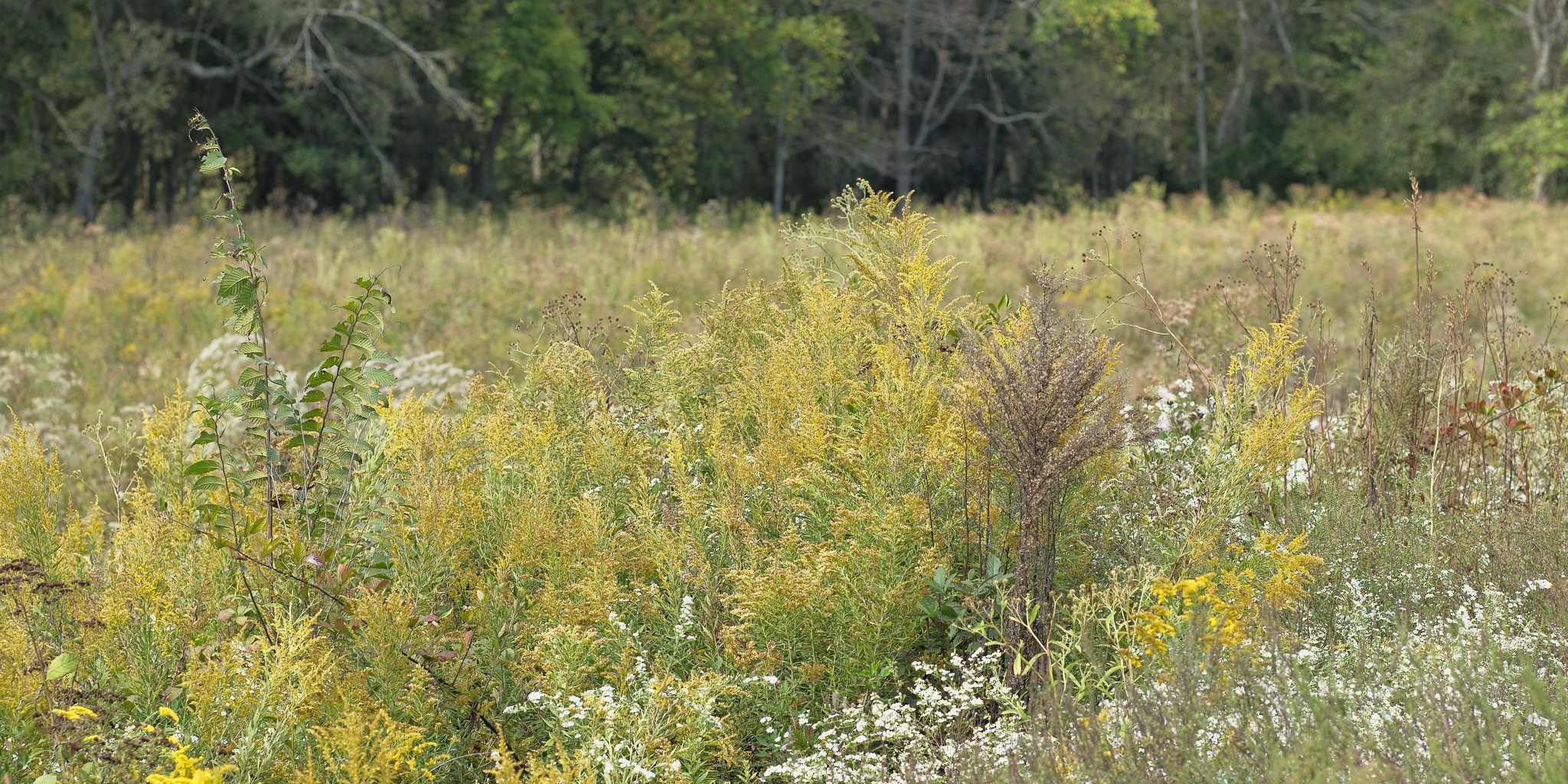
Perhaps the most extraordinary ecosystem at Bask is the Ancient Grazing Meadow.
This wet meadow is believed to be a living remnant of landscapes once shaped by massive grazing animals including American Bison, Elk, and even Mammoths thousands of years ago.
According to SGI, fewer than five known examples of this ecosystem remain anywhere in the world, making it a globally imperiled (G1) ecological community.
The meadow supports an incredible diversity of native grasses and flowering plants including:
- Gattinger's Rosinweed
- Tall Ironweed
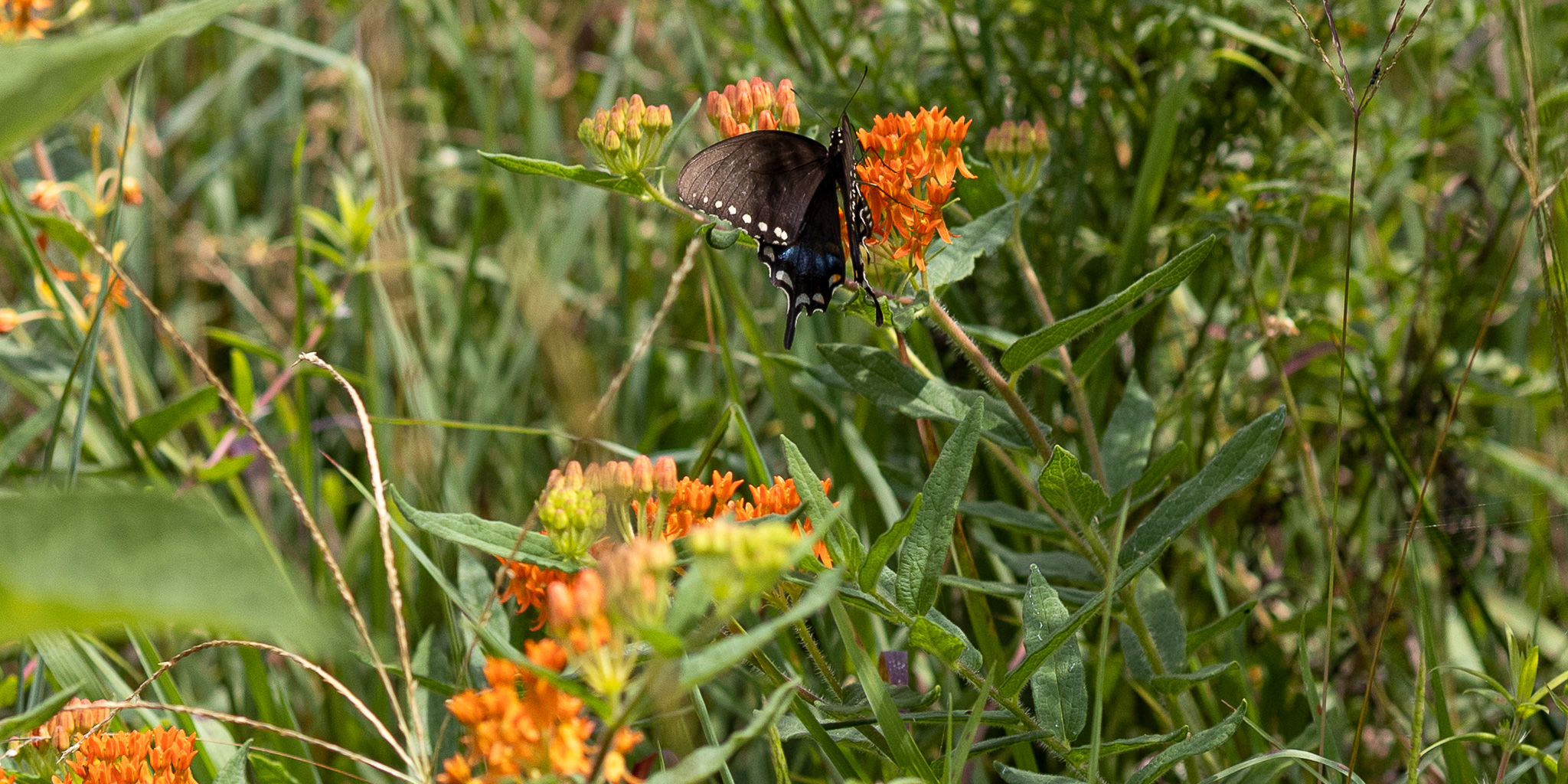
- Butterfly Milkweed
- Waxy Meadow-Rue
Walking through this landscape is like stepping back into Tennessee's ecological history.
Bogs & Groundwater Seeps
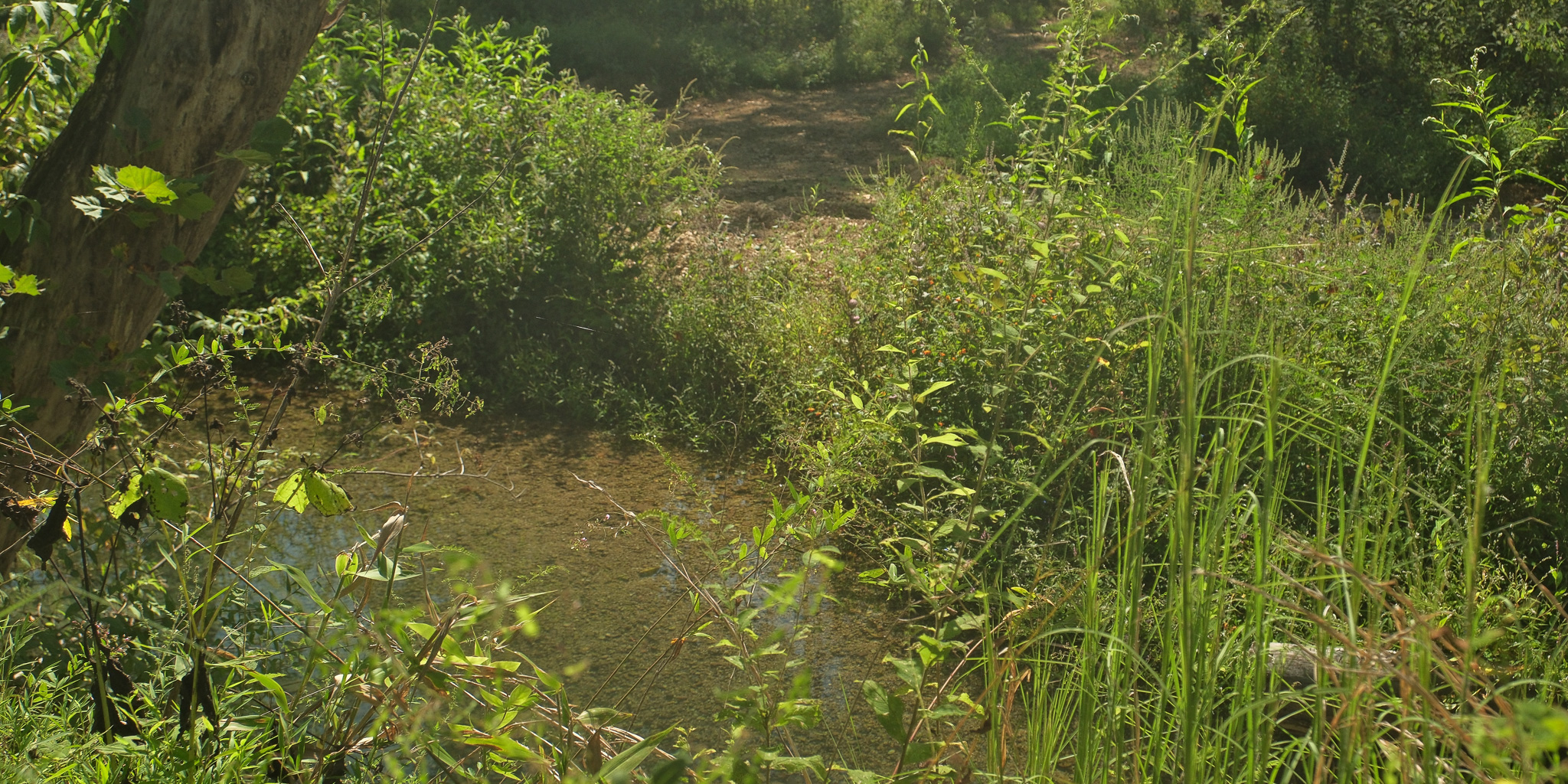
Hidden within Bask are rare wetlands that remain moist throughout much of the year thanks to underground springs and groundwater movement.
These habitats support unique plant communities that thrive only under very specific conditions.
Recent restoration work completed by Bask and SGI—including invasive woody species removal and canopy thinning—has already allowed many native plants to begin returning.
Keep your eyes open for:
- Purple Fringeless Orchid
- White Turtlehead
- Striped Gentian
- Eastern Newts
These quiet wetlands are among the property's richest biodiversity hotspots.
Mesic Cove & Ravine Forest
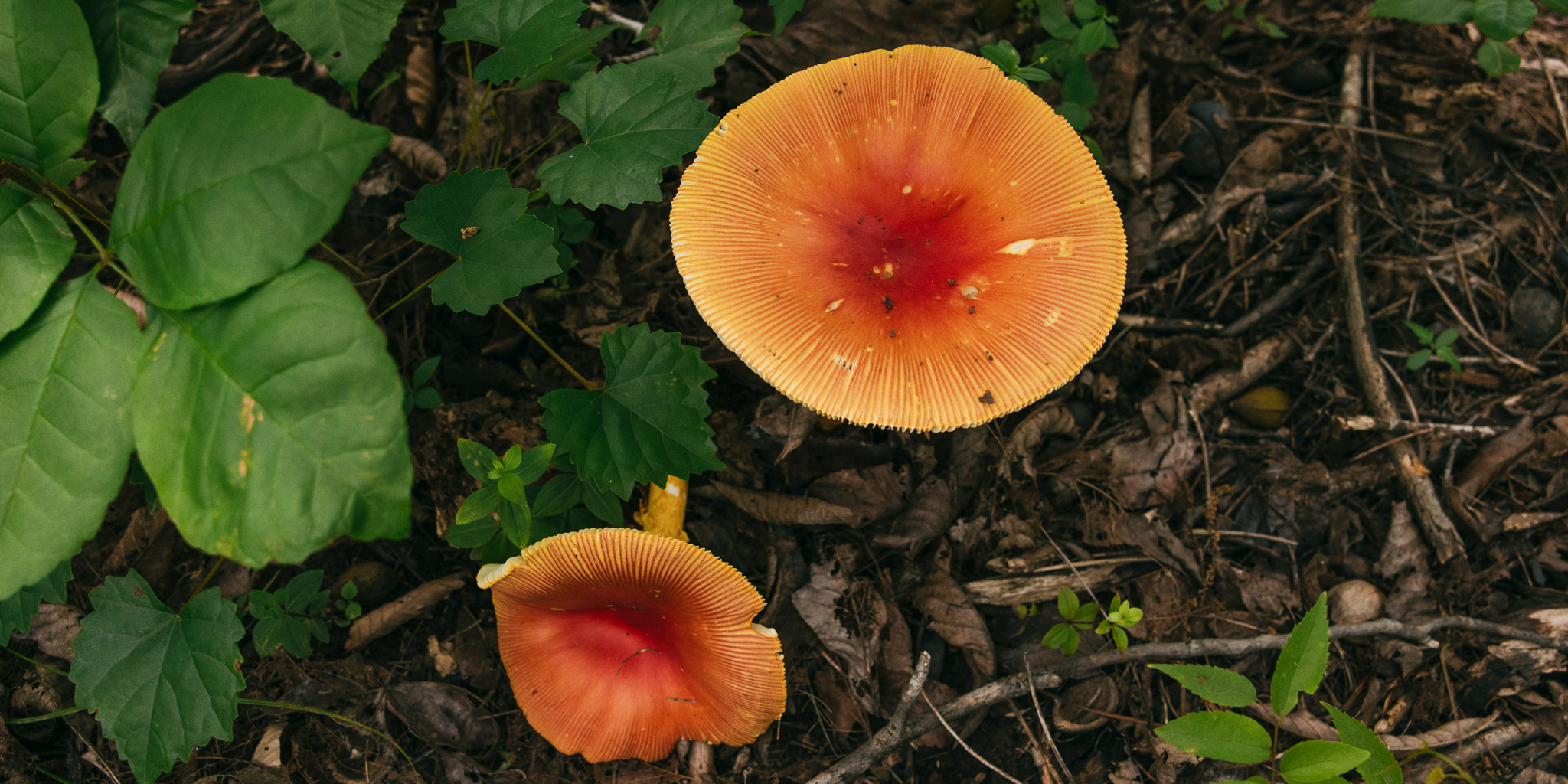
Not every remarkable habitat at Bask is a grassland.
Protected from historic fire by steep slopes and ravines, Bask's mature forests provide cool, shaded environments where woodland wildflowers flourish throughout the year.
These forests support species such as:
- Jacob's Ladder
- Twisted Trillium
- Wherry's Foamflower
- Dwarf Crested Iris
These peaceful forests remind us that biodiversity exists in every layer of the landscape.
Wades Branch & the Duck River Watershed
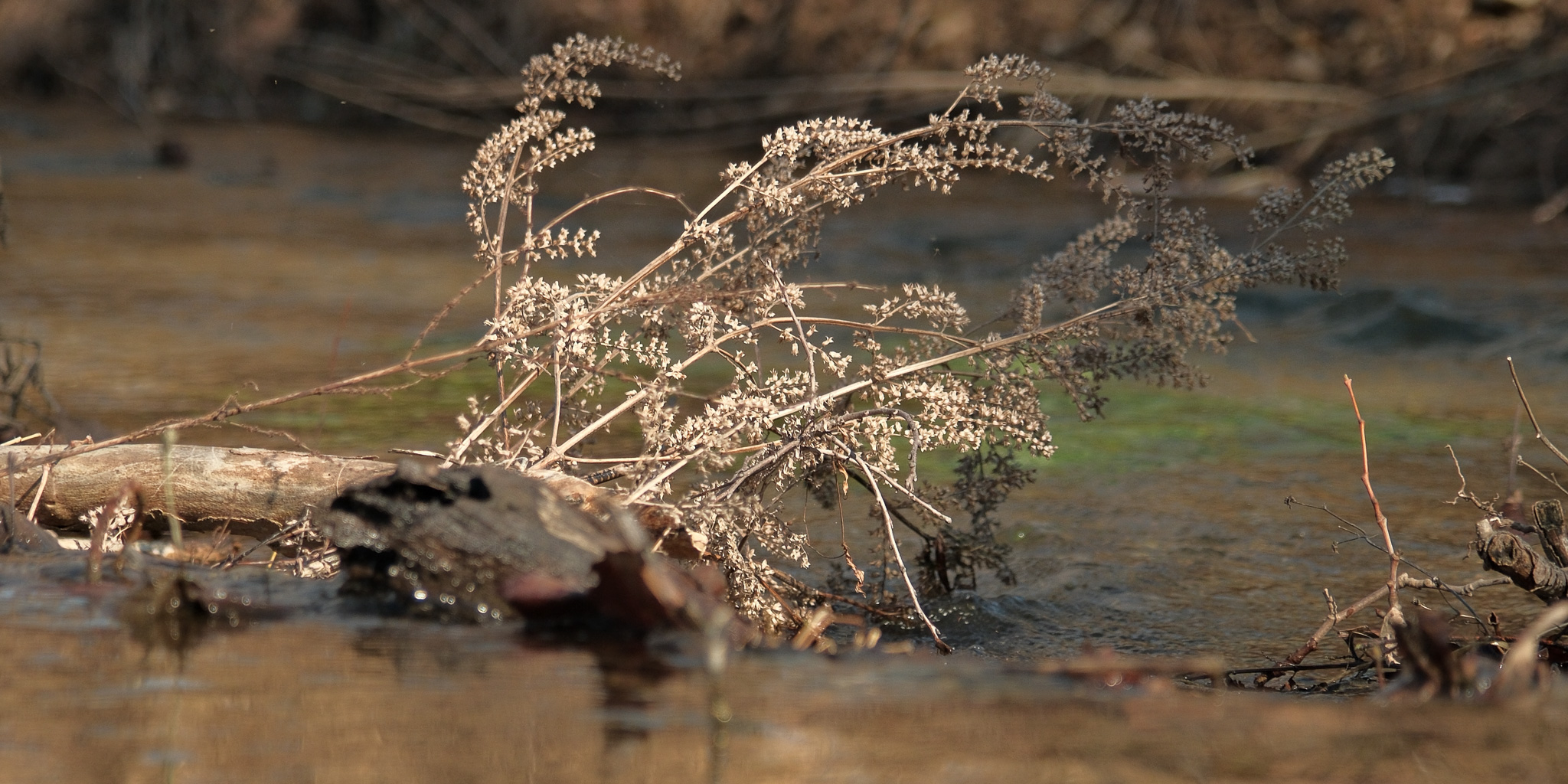
Flowing through Bask is Wades Branch, a high-quality spring-fed stream connected to the Duck River Watershed, one of the most biologically diverse freshwater river systems in the United States.
Healthy riparian forests along the stream help filter water, stabilize stream banks, and provide habitat for fish, amphibians, birds, and countless aquatic insects.
Some species found here exist in only a handful of Tennessee counties.
During the BioBlitz you might encounter:
- Egg-Mimic Darter
- Saddle Crayfish
- Tanasi Studfish
- Cardinal Flower
Why Citizen Science Matters
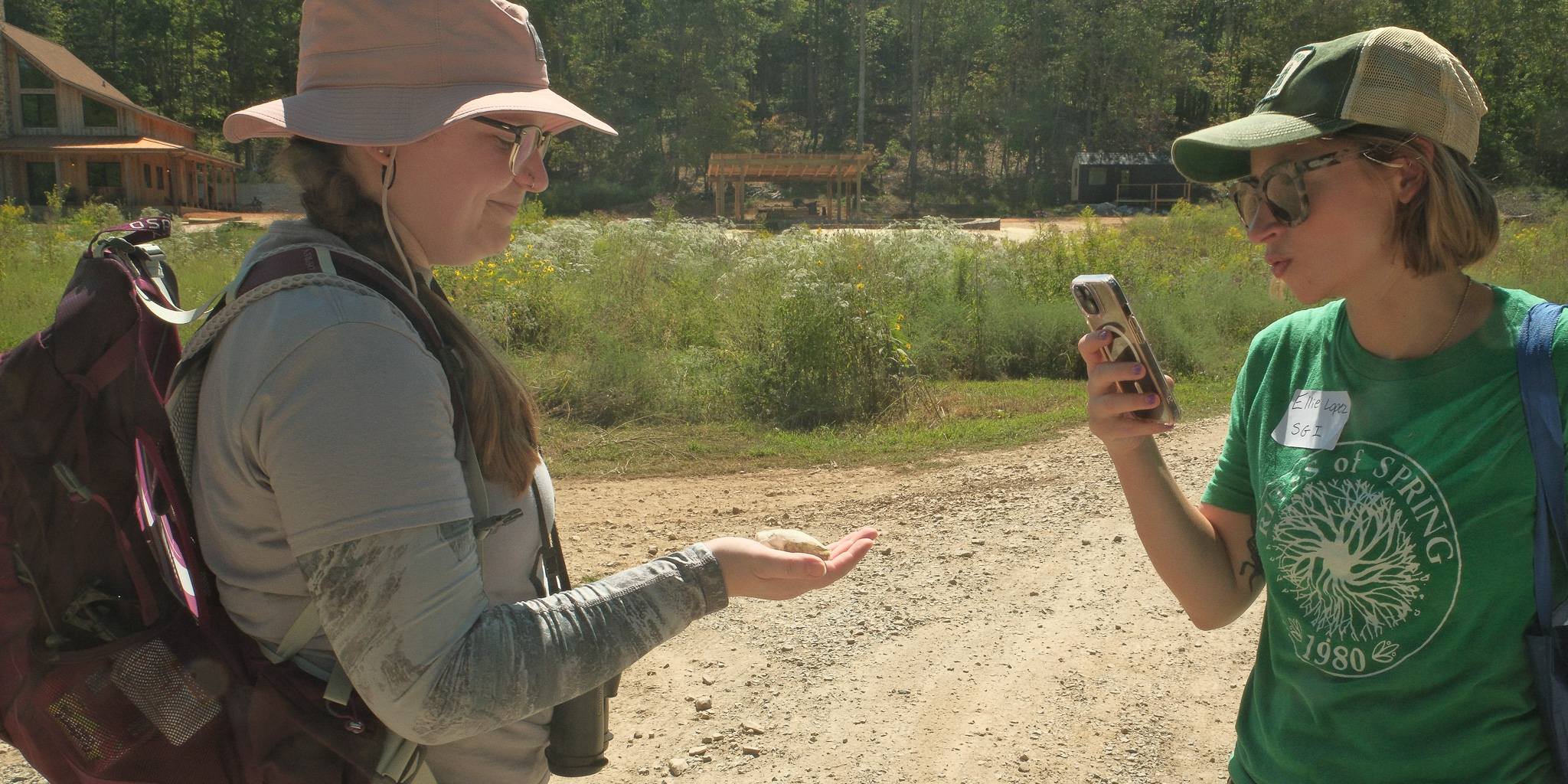
Every observation collected during the BioBlitz contributes to something much larger than a single day outdoors.
Using the iNaturalist platform, observations become part of one of the world's largest biodiversity databases.
As photographs are reviewed and verified by scientists, naturalists, and species experts around the globe, many observations reach Research Grade status.
These records are used by:
- Conservation organizations
- Universities
- Land managers
- Ecologists
- Government agencies
- Researchers studying biodiversity and climate change
Scientists use this information to better understand:
- Species distributions
- Habitat health
- Migration patterns
- Flowering and bloom times
- Changes caused by climate change
- Restoration success over time
Every photograph you upload becomes another piece of the ecological puzzle.
Building on Last Year's Success
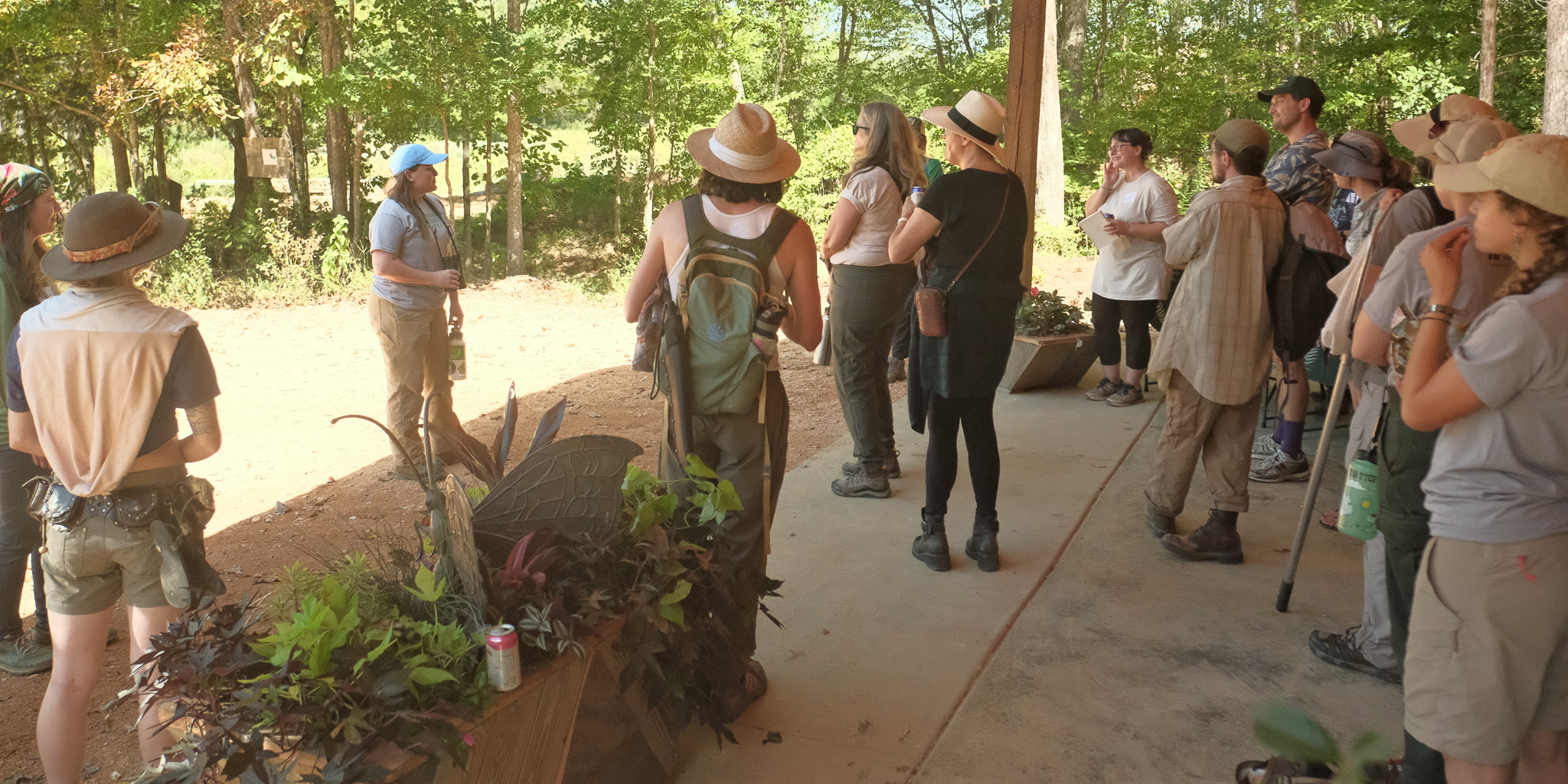
Last year's BioBlitz was an incredible demonstration of what can happen when a community comes together around conservation.
Together, participants documented:
- More than 160 different species
- Hundreds of observations
- Countless meaningful discoveries
Every observation helped paint a clearer picture of Bask's biodiversity and established an important ecological baseline for future restoration efforts.
This year, we're excited to continue building that living record.
Who knows what new discoveries we'll make together?
What to Bring
To help make the most of your day, we recommend bringing:
- Smartphone with the iNaturalist app installed
- Portable battery pack
- Water bottle
- Snacks
- Comfortable hiking shoes
- Hat and sunscreen
- Camera with macro or telephoto lens (optional)
- Binoculars
- Notebook or sketchbook
- Curiosity
Cell service can be limited throughout the property, so don't worry if observations don't upload immediately. They can easily be synced later using Wi-Fi.
Respecting the Landscape
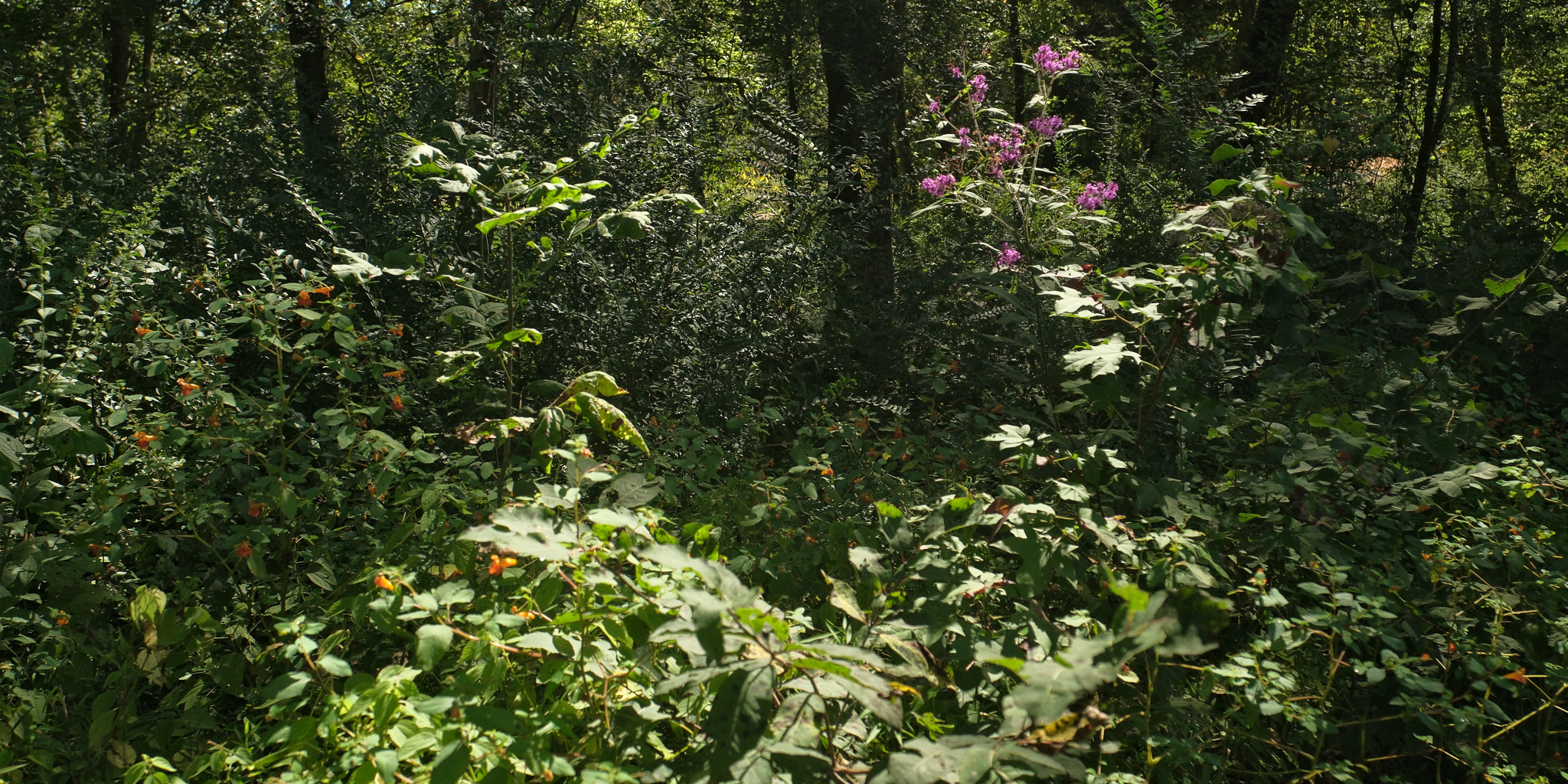
As we explore these rare ecosystems together, we ask everyone to help protect them.
Please remember to:
- Stay on established trails whenever possible.
- Observe wildlife without disturbing it.
- Leave plants exactly where you find them.
- Roll logs toward yourself if searching for salamanders, then gently return them to their original position.
- Watch for poison ivy and other natural hazards.
- Leave every habitat just as beautiful as you found it.
Our goal is to document nature—not disrupt it.
Join Us
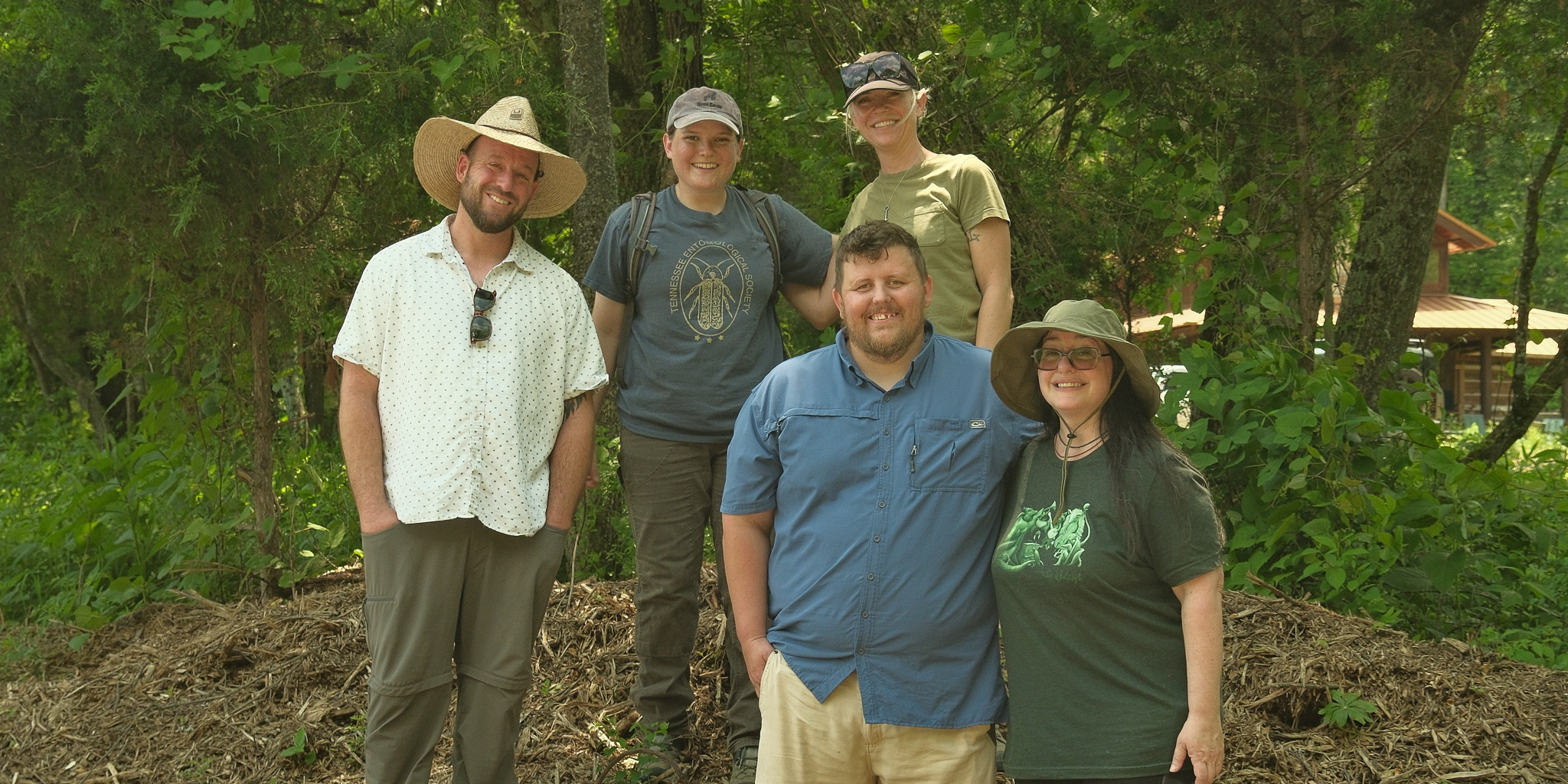
Whether you discover a rare orchid, photograph a dragonfly, identify your very first wildflower, or simply spend the day surrounded by nature, your participation makes a meaningful difference.
Every observation helps scientists better understand one of Tennessee's most remarkable landscapes while supporting the ongoing restoration work happening at Bask.
More importantly, it reminds us that conservation begins with curiosity.
We hope you'll join us on Saturday, July 11, from 10am-1pm - for a day of exploration, learning, and discovery.
Together, let's document the incredible biodiversity of Bask—one observation at a time.
Event Details
Date: Saturday, July 11, 10am-1pm
Location: Bask Retreat Center
Register: Sign up through the Southeastern Grasslands Institute
Download: Install the free iNaturalist app before you arrive.
Bring your curiosity, your sense of adventure, and your love for the natural world.
We'll see you on the trail.

.jpg)